How Typography Shapes Visual Design and User Experience
Typography shapes how people find, read, and act on information. Explore hierarchy, legibility, spacing, adaptable layouts, and practical reading tests.

Fluency Starts Here
Typography shapes how people find, read, and act on information. Explore hierarchy, legibility, spacing, adaptable layouts, and practical reading tests.
Choose indoor, outdoor, or coordinated signage by mapping arrival needs, viewing conditions, exposure, installation, lighting, and ongoing care.
Understand signage substrates and finish systems, then compare sheen, texture, graphics, representative samples, compatibility, and long-term care.
Explore how dimensional lettering changes a room through focal points, depth, negative space, shadow, illumination, and comfortable visitor encounters.
Plan custom letter signs for homes, offices, and businesses by matching personal meaning, workplace identity, or customer clarity to the setting.
Design signage and letter art through clear wording, hierarchy, sightlines, contrast, prototypes, and coordinated fabrication approvals.
Develop business displays through concrete entrance, reception, and event examples, then test the wording, placement, lighting, and visitor experience.
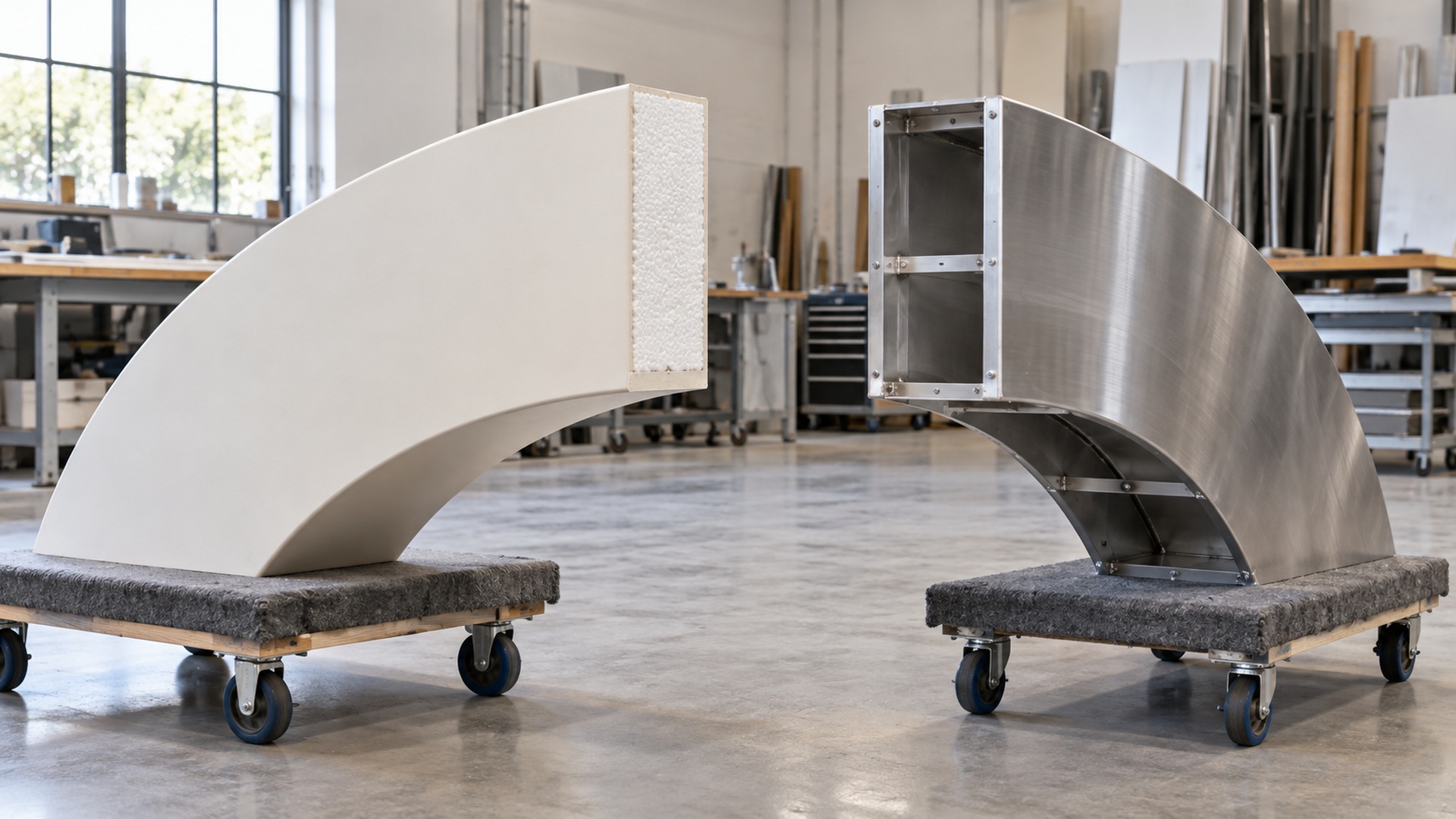
Compare foam and metal letters through a practical matrix, a touring-event example, and a permanent exterior-sign brief.
Compare foam, metal, acrylic, and wood as complete sign assemblies, using a material matrix and separate indoor and exterior briefs.
Understand WhiteClouds’ dimensional-word fabrication through published capabilities, an attributed Cisco project, and the choices linking geometry, finishing, and delivery.
Plan a custom dimensional-letter display with a clear brief, a dimensioned layout, buildable typography, practical installation, and a usable handover record.
Compare nine logo-font candidates and work through an original brand example, including wordmark spacing, supporting typography, reproduction and licensing.