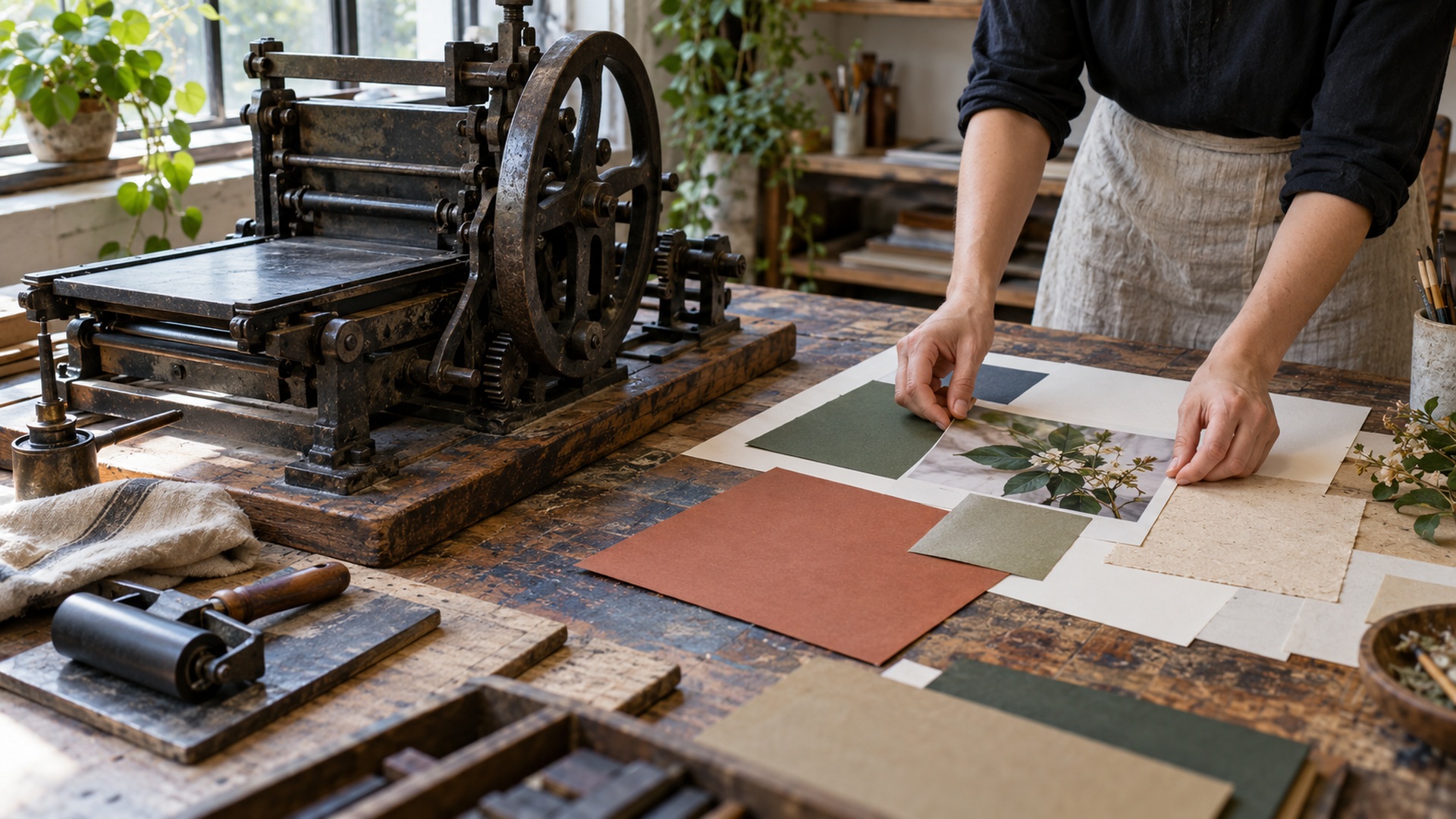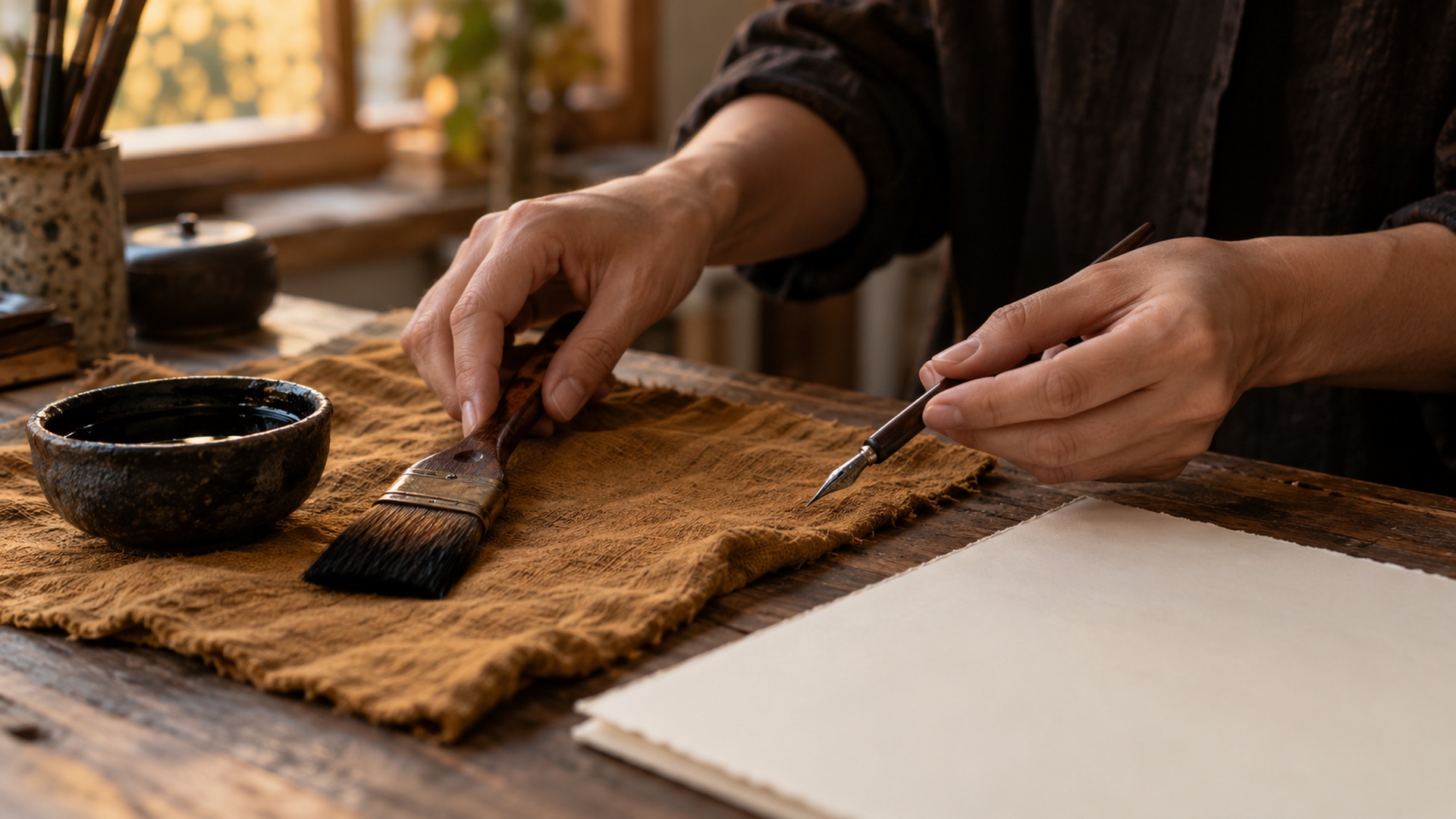
Traditional Lettering Styles That Still Inspire Designers
Learn how traditional lettering can inform modern design through tools, hierarchy, proportion, collaboration, digital refinement, and physical production tests.

Fluency Starts Here
Learn how traditional lettering can inform modern design through tools, hierarchy, proportion, collaboration, digital refinement, and physical production tests.
Explore the beauty of world lettering through individual works, cultural context, tools, empty space, everyday craftsmanship, and thoughtful appreciation.
Learn to identify world lettering through script structure, documented comparisons, production clues, source records, and clear distinctions between language and style.
Commission custom word art that supports a real brand encounter through credible language, approved assets, suitable materials, clear responsibilities, and useful evaluation.
Plan large-scale word art that makes a considered statement, from message and sightlines to fabrication, transport, installation, approvals, and long-term care.
Find word art installation ideas that serve a modern interior’s composition, personal meaning, furniture scale, lighting, and daily use.
Understand how word art installations shape movement, attention, interpretation, and shared experience through their relationship with a specific place.
Explore word art ideas for homes, offices, and public places by connecting meaningful language with location, scale, materials, and the way people use a space.
Choose fonts through a clear brief, real-content testing, language checks, practical output proofs, and documented permissions rather than endless specimen browsing.
Build better typography with rules grounded in reader needs: clear roles, comfortable paragraphs, purposeful spacing, accurate characters, and real production proofs.
Typography presents written language; graphic design addresses the wider visual message. Understand their overlap, related crafts, and how to define the right design brief.
Fonts can suggest emotional tone, but their meaning depends on readers, words, and context. Learn to compare associations without relying on universal personality charts.