Turn a Brand Message Into a Useful Physical Encounter
A business can place its name on a wall and still leave visitors uncertain about what the space represents. Custom word art offers a wider opportunity: it can connect language, material, and location with the experience the organization wants to provide. The strongest installation begins with a specific encounter rather than a general wish to look distinctive. A customer arriving for the first time, an employee welcoming a guest, and a visitor waiting for a service each need different information and a different degree of visual emphasis. By identifying that moment first, a brand team can commission language-based work that supports its identity, fits its premises, and continues to make sense after the launch photographs have been taken.
A: Define the specific visitor or staff encounter the installation should support.
A: A focused primary role usually gives the composition and review a clearer direction.
A: They can identify where the wording agrees or conflicts with everyday practice.
A: Their hierarchy and distinct roles should be understandable to an unfamiliar visitor.
A: No. Physical construction, spacing, support, and surface treatment require review.
A: Review its effect on recognition with the brand team alongside the fabrication requirements.
A: It reveals whether bodies, reflections, or framing conceal the intended identity.
A: They show a response to the piece, but do not establish a broader causal business outcome.
A: Its wording and artwork can become outdated if tangible assets are omitted from the review.
A: Approved assets, production and finish records, care instructions, and repair responsibilities.
Give the Installation One Primary Business Job
Decide what the piece should accomplish before considering a dramatic format. It might establish recognition at an entrance, explain a purpose in a reception area, introduce a product story, or create a memorable gathering point during an event. Select one leading job and describe the supporting roles separately. A phrase asked to identify the business, tell its history, inspire staff, and serve as a photography backdrop can become an unfocused compromise. A clear purpose gives reviewers a practical basis for choosing among designs. It also helps the team decide which content belongs in the installation and which belongs elsewhere in the visitor experience.
Tie the purpose to an actual customer or staff task. Someone arriving for an appointment may need to recognize the organization quickly; someone browsing a showroom may have time for a more expressive line. The same wording and scale will not necessarily serve both encounters. Walk through the location as a first-time visitor and note what is already clear, what is missing, and where attention is divided. The installation should solve a defined communication need or enrich a deliberate moment. An attractive surface treatment alone cannot explain why the work belongs in that particular part of the business.
Distinguish the Business Name From Its Wider Voice
The official name, a product name, a campaign line, and an expressive statement each have a different relationship with the brand. Keep these roles identifiable in the proposal. A visitor should not mistake a temporary campaign phrase for the organization’s name or assume a decorative line describes a guaranteed service. Use approved spelling and artwork for the identity elements, then review additional wording against the intended voice and context. The installation may combine several elements, but its hierarchy should explain their relationship. Decide what people should understand first and make sure the physical arrangement supports that order.
Choose Language the Operation Can Stand Behind
A statement about care, speed, craft, or collaboration creates an expectation. Ask whether the ordinary experience of the business supports the proposed wording. Staff can be valuable reviewers because they know where a polished phrase conflicts with everyday practice. Invite their response before the text is locked for fabrication. A more specific line connected with a real process or achievement can be more convincing than a broad claim that fits almost any company. The goal is a message that remains credible when the visitor moves beyond the reception wall and begins interacting with the organization itself.
Original language does not have to be elaborate. A concise description of the business’s purpose, an agreed phrase from its history, or a short line associated with the people making its products can carry a clear identity. Remove words that contribute only generic enthusiasm. Check the phrase in isolation and alongside the name, because their combined reading may create an unintended promise or a confusing repetition. Read it aloud to hear whether it sounds like the organization speaking to its actual audience. Keep the approved version in a shared record so the designer and fabricator work from the same final text.
Multilingual wording deserves its own review. Consider whether additional languages serve customers and staff who use them, and decide what each version should communicate. Use fluent readers familiar with the business context to review meaning, tone, and presentation. A short direct translation may not preserve a campaign’s wordplay or cultural association. Allow the layout to accommodate the correct language rather than forcing every version into an identical visual width. A coherent brand experience can maintain common emphasis and material treatment while respecting differences in scripts and wording. That collaboration should happen while both text and composition remain open to revision.
Select the Place Where the Message Becomes Relevant
A reception installation meets visitors when recognition and welcome matter. A showroom piece may accompany discovery, while a staff-space message can refer to internal practices. A temporary event installation may work as an arrival marker or a shared gathering point. Evaluate the location through that relevant moment instead of choosing the largest empty wall. Look at approach, waiting positions, staff sightlines, and surrounding operational information. The words should join the experience at a point where their purpose is understandable. A message that requires careful reading may be unsuitable directly beside a task that demands immediate attention elsewhere.
Review the location through normal activity. A queue can hide a low installation, an open door can interrupt a phrase, and a bright window can introduce reflection. People may also stand between the work and other visitors. Include these conditions in the site study rather than showing an idealized empty room. Check whether the piece competes with wayfinding, required information, or the person greeting customers. A successful brand installation helps establish a place without making its essential functions more difficult. That relationship should be visible in the proposal’s layout and practical review, not left to chance after the object arrives.
Translate Approved Brand Assets Into Physical Form
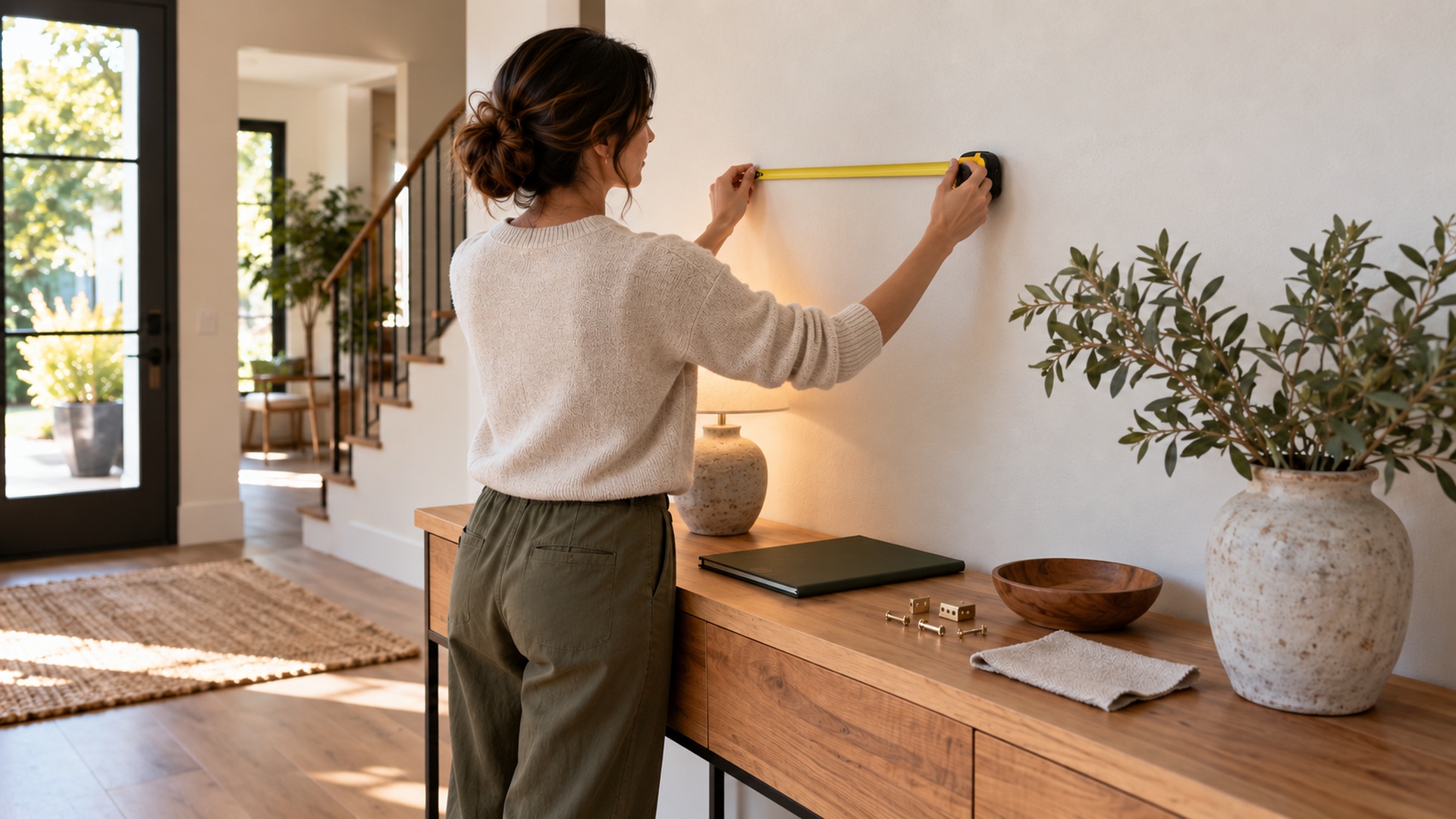
A logo file designed for a screen does not answer every question about a dimensional installation. The maker may need to understand thin strokes, enclosed shapes, joins, letter spacing, depth, and how the pieces will be supported. Supply the approved assets in an appropriate format and ask the design team to identify any changes required by the proposed method. Review those adaptations as brand decisions as well as fabrication decisions. A thicker connection might help production but alter a distinctive letter. The aim is to preserve recognition while developing a physical treatment that can be made, installed, and maintained in the intended setting.
Use Materials to Support a Coherent Brand Experience
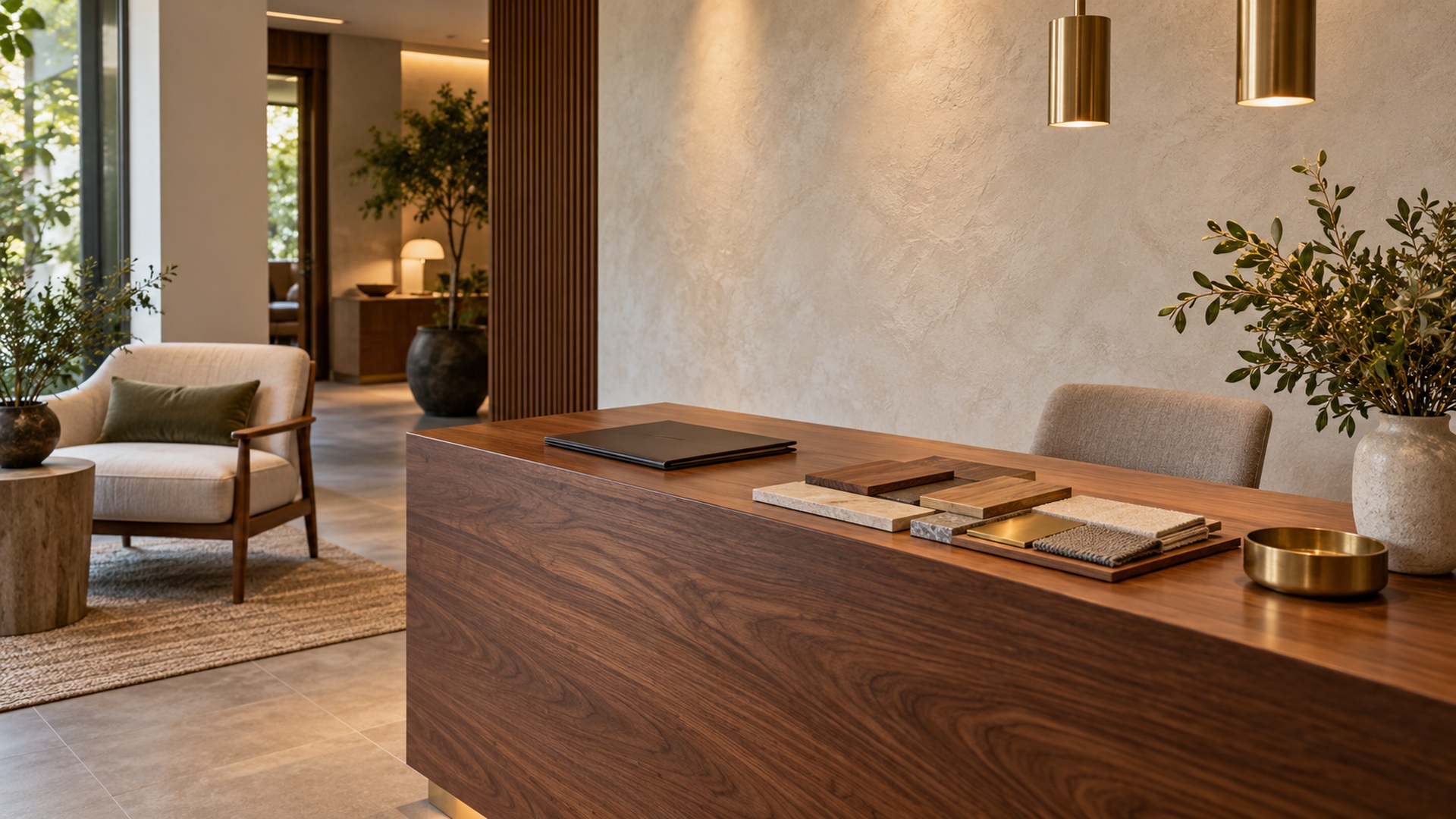
Materials can connect the installation with the wider premises through texture, color, sheen, and associations with the business’s work. A maker-oriented company might consider a surface related to its craft; a service business might prioritize a clear, restrained treatment at the arrival point. These are directions to test, not fixed rules linking an industry with one material. Compare physical samples with the surrounding finishes and the actual light. Ask the fabricator how the complete system suits the exposure, contact, and care it will receive. The visual relationship should remain useful under ordinary conditions, including when the room is busy and the piece is no longer new.
Consistency does not require identical finishes everywhere. A brand may use a common language of proportions and color while adapting the physical object to different sites. A compact indoor reception and a temporary outdoor event have different practical requirements. Specify which identity features must remain stable and which can vary to suit the encounter. Review samples against those decisions rather than judging each location independently. This approach helps the business avoid a growing collection of unrelated display styles. It also gives future designers a clearer basis for developing another installation without copying a previous object that was built for different conditions.
Build Approval Into the Commissioning Process
Identify the people responsible for wording, brand identity, property decisions, technical review, and practical operation. A single reviewer may not have the authority or expertise to resolve every detail. Establish the order of approvals so the final proof includes the decisions already agreed by the relevant teams. Keep the text, artwork, dimensions, finishes, and location identifiable by version. Ask what happens if one of those elements changes after approval. A clear process reduces the chance that an old logo, an unreviewed phrase, or a misunderstood finish reaches fabrication simply because different contributors believed someone else had checked it.
Compare proposals through a defined scope. Design development, fabrication, finish samples, packaging, transport, installation, and later maintenance may be supplied by different parties. Ask for those responsibilities and any exclusions to be visible in the quote. Provide the site information needed for a realistic proposal, including access and the expected use of the work. A low initial price is difficult to evaluate if important delivery or installation tasks remain unassigned. The useful comparison is between complete proposals responding to the same brief. Resolve uncertainty before treating the budget and schedule as settled.
The final production proof should contain the exact approved name and any supporting wording. Review every character, including punctuation, accents, and registered or other symbols where the approved artwork includes them. Check the overall arrangement against the site rather than approving typography on a blank page alone. Obtain the relevant technical and property reviews for the actual installation method. Retain the agreed proof with the project records and confirm which version the fabricator will use. This final coordination step protects both the brand’s visible identity and the practical work required to place it in the premises.
Consider Photographs Without Reducing the Space to a Backdrop
An installation can become recognizable in visitor photographs, staff introductions, or event coverage. Consider those views alongside the physical encounter. Test whether a person standing nearby obscures the name or whether strong reflection changes its appearance on camera. Leave practical room for the activities people actually perform around the piece. A photography goal should not require visitors to block a circulation route or staff to rearrange the reception repeatedly. The most useful branded backdrop also works as part of an ordinary business setting. Its meaning should not depend on a camera angle that nobody encounters while using the space.
Measure the Result Through the Intended Encounter
Return to the primary job defined in the brief. If the aim was recognition, ask unfamiliar visitors whether the business identity is clear at arrival. If the piece explains a process or story, examine what people understand after encountering it. If it supports an event gathering point, observe how participants use that location. Do not assume that photographs or compliments demonstrate every business outcome. Revenue, customer trust, and staff engagement have many influences; a visual installation alone does not establish their cause. Record specific observations about the encounter and compare them with what the project was intended to improve.
Practical feedback can also reveal what needs adjustment. A customer may recognize the name but miss an important instruction nearby; staff may find that a reflective surface complicates their work behind the desk. Investigate the particular issue with the responsible team. Sometimes the change belongs to the surrounding information or lighting rather than the word art itself. Keep interpretation, brand preference, and operational difficulty distinct during the review. This makes the feedback actionable and avoids treating every response as a reason to enlarge the name, add another slogan, or redesign the entire installation.
Maintain the Installation as Part of the Brand System
Assign care and observation to the people responsible for the premises. Keep approved assets, production drawings, finish records, and cleaning instructions accessible. A temporary campaign needs a removal or reuse plan; a permanent identity needs review when the business changes its name, services, or visual system. Ask whether individual components can be repaired or replaced without rebuilding the whole piece. Include the physical installation in future brand updates so it does not become an outdated exception. A consistent experience depends on maintaining tangible assets along with the website, documents, and other places where the organization presents itself.
Keep a simple inventory of physical brand pieces across the premises. Record their locations, wording versions, responsible teams, and expected review dates. That inventory makes it easier to coordinate an update without overlooking an older reception wall or a reusable event object stored away from the main office.
Custom word art is most valuable when the business can explain why its words are here, why they look this way, and how they support the people encountering them. Begin with a useful moment, choose credible language, and translate the approved identity into an appropriate physical system. Coordinate the approvals and practical delivery before production, then review the result through ordinary use. This process can produce a distinctive installation without asking decoration to do every job in the brand experience. The finished work becomes a considered part of how the organization welcomes, identifies, and communicates with its audience.