The Best Pun Is the One That Fits the Occasion
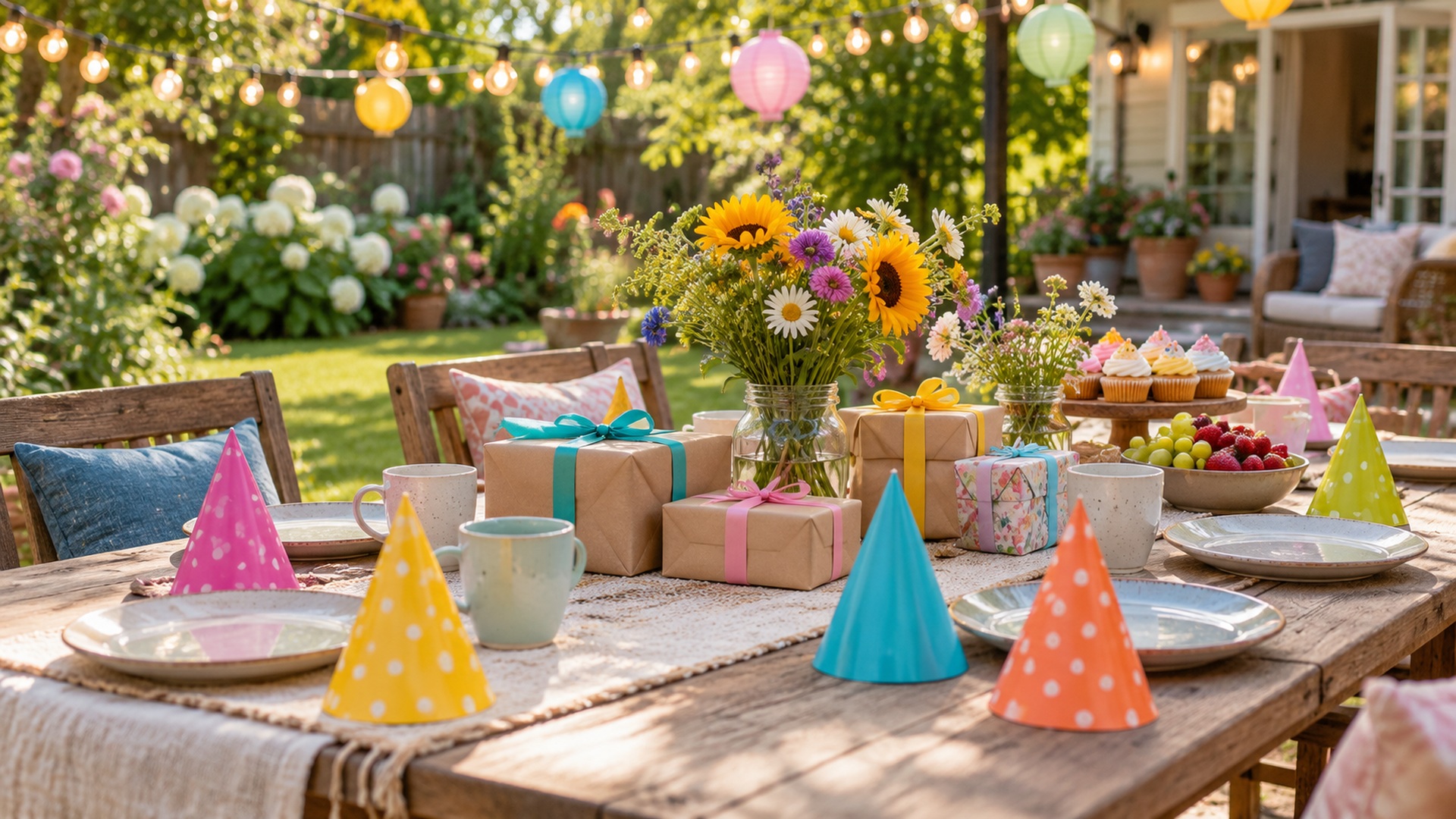
A birthday table, a farewell card, and a quiet conversation with a friend do not need the same joke. Puns work through playful connections between meanings or sounds, but their usefulness depends on the moment in which you offer them. The title of this collection promises the best puns for every occasion; there is no objective all-time ranking to settle. Instead, the pages below offer original lines chosen for recognizable settings, with enough explanation to help you pick one naturally. The aim is a small shared smile, not a performance that takes over somebody else’s celebration. Start with the person, choose a line that suits the setting, and give the wordplay room to land without requiring applause.
A: Use a positive interest or recent experience as the connection.
A: Name the help clearly and let one light line complement the gratitude.
A: Anchor it in the actual achievement rather than an assumption about future success.
A: It may miss the tone when the goodbye is emotionally difficult or the setting is formal.
A: Use a welcoming wish or a thoughtful detail about the new start.
A: Familiar references often work better than terms requiring a separate explanation.
A: Put the practical result first so readers can understand and act on it.
A: Keep essential information explicit and use the joke as an additional layer.
A: Save a few lines with the occasions and audiences where they fit.
A: Check whether the message still expresses a worthwhile feeling when the joke is removed.
At a Birthday, Make the Guest the Center of the Moment
Birthday jokes work best when they add warmth to a celebration that already belongs to someone. Try a line that connects to an interest or a familiar detail rather than treating age as the only available topic. For a friend who likes photography, write, Hope this year develops into something wonderful. Develop has a photographic association and a broader sense of growth. The message offers a wish first, so the wordplay supports the affection instead of replacing it.
A gardening friend might enjoy, May your birthday bring a fresh crop of good surprises. It is gentle enough for a card and does not need an elaborate setup. If the recipient prefers sharper jokes, your shared history may suggest a different tone. Avoid assuming that everyone wants teasing about appearance, age, or ability. A pun can be personal through a positive interest rather than through a sensitive subject. The best choice sounds as though you thought about the person, not merely about filling the card.
A Thank-You Message Needs Gratitude Before the Twist
A pun can give a thank-you line a memorable finish, but the specific gratitude should remain easy to find. If a friend helped you move, you might write, You really lifted my spirits as well as the sofa. The line joins emotional support with physical lifting. Add a plain sentence naming what you appreciated, such as the time they gave up or the patience they showed. That detail carries the message even if the pun earns only a small smile. Gratitude should not become a guessing game.
Congratulations Can Borrow the Language of the Achievement
A milestone supplies its own setting, so a well-chosen phrase often needs little explanation. For a friend who completed a baking course, try, You have risen to the occasion, and the kitchen has evidence. The rise belongs to both achievement and dough. The second half makes the setting explicit without laboring over the double meaning. Use a line like this when the achievement is already being celebrated. It should feel like an extra flourish after genuine congratulations.
For someone finishing a long writing project, You have turned a difficult chapter into a strong ending connects the work with the experience of completing it. The line can be affectionate without making a claim about publication or success that you cannot know. A good congratulatory pun responds to what actually happened. Keep the factual milestone and the playful language aligned, especially when sharing the message publicly. The joke is stronger when the recipient recognizes their own accomplishment in it.
You can also decide that a plain message fits better. If someone has overcome an emotionally demanding situation, an upbeat pun may miss the tone they want. Wordplay is an option, not an obligation attached to every card. Begin by noticing how the person talks about the milestone. Their own language gives you a better guide than a generic category such as graduation, promotion, or retirement. When a joke fits, it can add delight; when it does not, sincerity is already enough.
Housewarmings Invite Comfortable Object-Based Wordplay
A new home offers familiar objects without requiring private jokes. Write, Hope every room makes space for something good. Space refers to the physical interior and the opportunities the move may create. A gift of a plant could carry, Here is a little encouragement to put down fresh roots. Both lines offer a welcoming wish rather than commentary on the size, price, or location of the home. That keeps the message friendly across different circumstances.
If you are speaking at the gathering, one short line is usually sufficient. Let the new residents tell their stories rather than turning the visit into an inspection of every object that could support a pun. Avoid jokes about mortgage pressure, household arguments, or an unfinished renovation unless you know those subjects are welcome. A home can represent excitement and stress at once. The most useful wordplay acknowledges the pleasant part of the occasion without deciding how the owners ought to feel.
Farewells Can Be Light Without Treating the Goodbye as Trivial
A farewell message can use travel language while preserving the feeling behind it. For a colleague moving to a new role, try, Your next chapter has a promising opening, and we will miss this edition. The literary frame offers a small turn while acknowledging the goodbye. Follow it with something concrete about working together. A memory or a wish for the next step makes the message more personal than the pun alone. Keep the line supportive rather than using the occasion to revisit old workplace complaints.
A Shared Hobby Gives the Joke an Easy Starting Point
Hobbies create useful common ground because the recipient already recognizes the relevant language. For a friend who enjoys sewing, Your patience has held this whole project together links persistence with stitches and joins. For a cyclist, Glad we found a friendship that keeps gaining momentum borrows movement without claiming a spectacular athletic achievement. The line can remain understandable to people outside the hobby. Familiarity should help the joke, not create an entrance exam for everyone else.
Choose a reference the person actually uses. Someone who enjoys occasional gardening may appreciate roots or growth but have no reason to recognize a specialized pruning term. Likewise, a casual music listener may enjoy a note or a tune without following detailed harmony terminology. A concise message should not need a lesson before it becomes friendly. The shared interest supplies the context, while the ordinary sentence supplies the feeling you want to express.
Do not make the hobby the person’s entire identity. A photographer can receive a message about friendship rather than yet another camera joke. A cook may prefer a birthday wish that has nothing to do with the kitchen. Repetition can make a supposedly personalized line feel automatic. Think of the interest as one possible route into the message, then consider whether a recent experience or conversation would create a more meaningful connection.
Workplace Puns Need a Clear Invitation to Be Casual
A relaxed team chat can welcome a small pun, especially when it concerns a shared task rather than a person’s performance. If a group finishes sorting an archive, We finally filed this success under done gives the result a light finish. It works because the literal filing is already part of the scene. A joke in a formal update may need a different balance. State the result clearly before adding any playful line, so readers can act on the message without decoding it.
Avoid making a colleague the unwilling setup. A joke about someone’s accent, name, missed deadline, or uncertainty can feel different to the subject than to the speaker. Object-based or task-based wordplay is easier to keep friendly. If the conversation is urgent, leave the pun for a later moment. The useful question is whether the group has room for a little play right now, rather than whether you have found a clever sentence worth using.
Holiday Messages Can Be Specific Without Becoming Exclusionary
Seasonal wordplay can connect with weather, gatherings, or shared traditions, but the recipient’s context still matters. An autumn note could say, Hope the season leaves you with good memories. Leaves offers the familiar seasonal turn while the wish remains broad. A winter message might use warmth rather than assume a particular celebration. If you know the person’s observance, write accordingly. If you do not, a welcoming general wish can be more thoughtful than an inaccurate specific one.
Short Captions Need Their Setting to Remain Visible
A caption can use the image as its setup. Beside a photograph of a repaired chair, Finally getting comfortable with the result joins confidence and seating. Beside a homemade loaf, A little proof that patience pays adds a baking association to evidence. These lines are compact because the subject is visible. If the photograph will be separated from the caption or described through accessibility text, keep enough context in the words for the connection to remain clear.
The pun does not replace a useful description. Alt text should explain what the image shows, while the caption can carry personality or a small joke. A reader should not need to see the picture to understand essential information about an event or result. This is especially relevant when the image announces something practical. State the relevant details plainly and let the wordplay add a light layer rather than carrying the full message alone.
Do not add several competing turns to a tiny caption. A line about a chair does not also need a joke about wood grain, legs, seats, and standing ovations. Select the connection that best matches the photograph and the mood. Read the sentence once without the image to check what it relies on. If it becomes meaningless, decide whether the visual context is reliable enough or whether one clear noun would improve it.
Delivery Should Give the Other Person Room to Respond
A spoken pun usually benefits from a clear setup and a conversational pace. You can pause briefly before the turning phrase, but exaggerated suspense is not always helpful. If the joke already fits the scene, let it arrive as part of ordinary speech. Watch the response without demanding one. A laugh, a groan, or a quiet smile can all belong to a friendly exchange. The listener does not owe you an explanation of their reaction.
For a written message, punctuation can help make the turn clear, but a pile of quotation marks and explanatory parentheses often weakens it. Try the line with its setup and one natural ending. Ask a trusted reader if it is understandable when the message matters. If you have to supply a long verbal explanation, revise the wording or choose another joke. The goal is a small pleasant connection that the recipient can reach easily.
Keep a Personal Shortlist Rather Than a Universal Ranking
Save a few lines that match your own voice and the kinds of occasions you actually encounter. Record the setting in which each line works, rather than treating a joke as suitable everywhere. A warm card line, a casual team message, and a hobby joke can sit in different parts of the same shortlist. That makes selection quicker without turning every conversation into a scripted routine. Leave room to write something new when a particular person or event deserves it.
The most satisfying pun often comes from paying attention. A detail about a friend’s achievement or a shared experience can provide a connection that no all-time list could anticipate. Use the examples here as possibilities, not as a requirement to make every message funny. When a line fits, enjoy the shared moment and move on. The occasion belongs to the people in it, and the best wordplay makes their experience a little brighter.
One final practical test helps: remove the pun and see whether the message still expresses something worth saying. If it does, the joke has a useful foundation. If all that remains is a demand to admire the wording, reconsider the purpose. Affection, thanks, congratulations, and welcome give a small turn of language a reason to be there. That reason is what makes an occasion-specific pun feel chosen rather than pasted into place.